Residential Storage That Helps You Reclaim Space at Home
Storage for Moves, Remodels, Seasonal Items, and Everyday Household Overflow
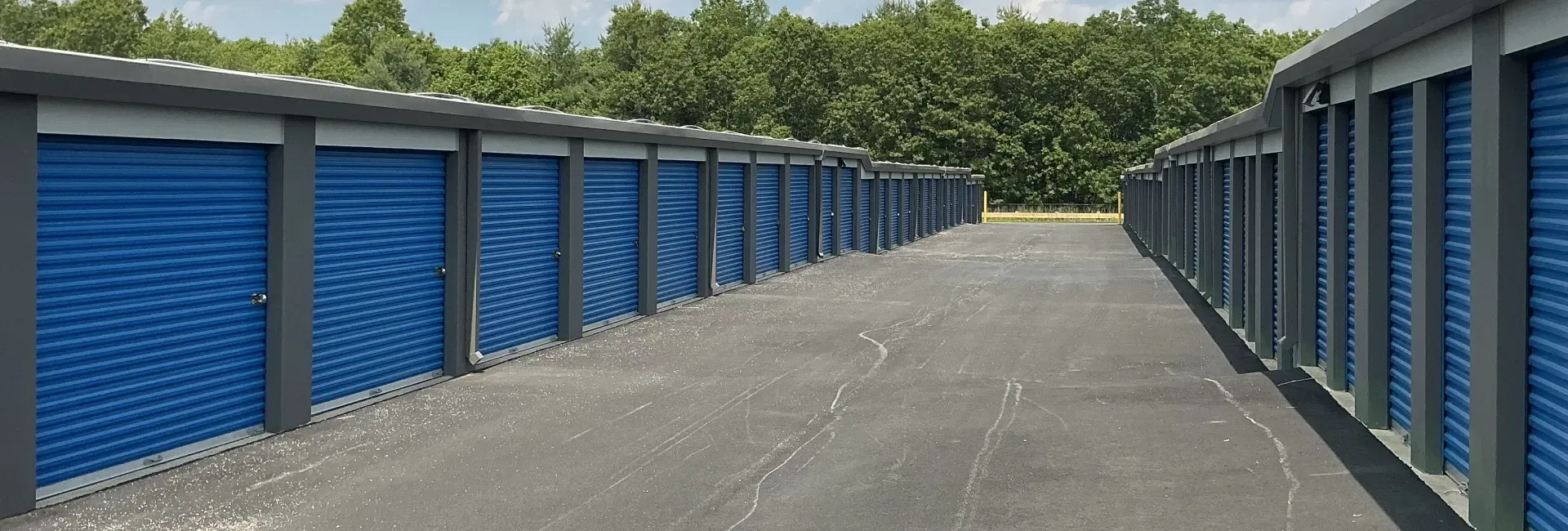
Home storage space has a way of disappearing slowly. Closets fill up, garages become crowded, spare rooms turn into box storage, and seasonal items end up scattered wherever they fit. Residential storage gives you a dedicated place for belongings that matter but do not need to stay inside your home every day. All-Purpose Storage offers residential storage options with both drive up storage, climate controlled storage and vehicle storage options for customers who need secure, accessible space for furniture, boxes, keepsakes, household goods, and more.
A storage unit can help during short term transitions and long term organization projects. You may need space while moving, remodeling, downsizing, clearing out a garage, or making room for a growing household. All-Purpose Storage serves residential and commercial customers with secure units, well-maintained facilities, and competitive pricing, which makes it a practical option for household storage needs.
Real-Life Reasons People Use Residential Storage
Moving Without the Last-Minute Rush
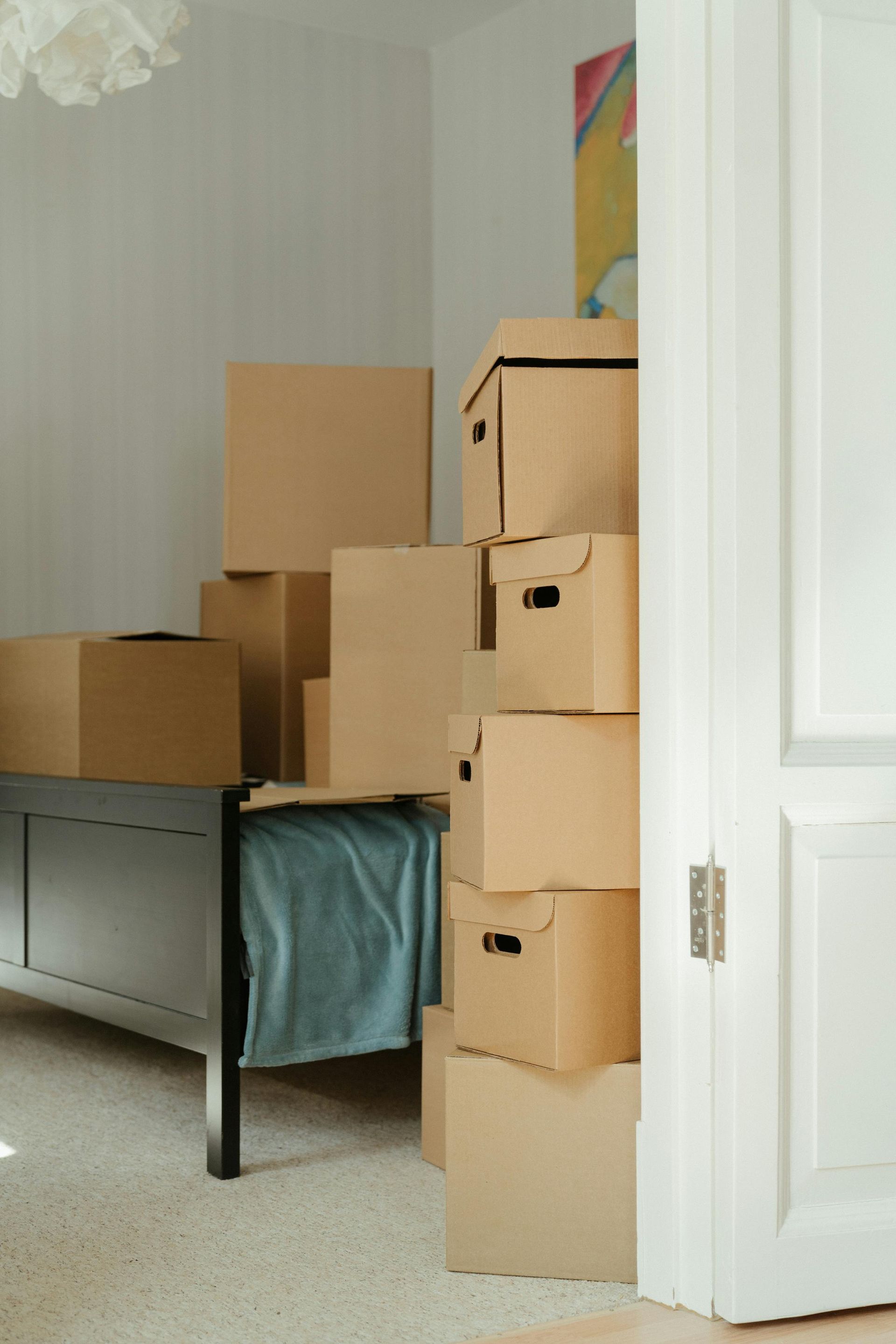
Moving rarely happens in a perfectly clean timeline. Closing dates shift, leases overlap, movers need flexibility, and new homes may not be ready when the old one has to be cleared out. A residential storage unit gives you a place to keep furniture, boxes, appliances, and household items while you work through the transition. This can make moving feel less rushed because everything does not have to be loaded, transported, and unpacked in one stressful day.
Remodeling Without Living in a Construction Zone
Remodeling projects are easier when the work area is clear. Furniture, rugs, decorations, kitchen items, and electronics can get in the way of contractors, tools, dust, and materials. Moving those items into storage gives the project more room and helps protect belongings from damage during the work. This is especially useful for flooring projects, kitchen remodels, room additions, painting, and whole-home updates.
Downsizing Without Making Every Decision at Once
Downsizing often means sorting through years of furniture, family items, household goods, and keepsakes. A storage unit gives you time to decide what stays, what gets passed along, and what may be useful later. This can be helpful when moving into a smaller home, apartment, retirement community, or shared living arrangement. Instead of forcing every decision during the move, storage gives you breathing room while you settle into the new space.
Making Garages, Closets, and Spare Rooms Useful Again
Residential storage is not only for major life changes. Many people rent storage because their home simply has too many items competing for limited space. Seasonal decorations, sports gear, tools, patio items, and extra furniture can crowd the areas that should be functional every day. A storage unit helps move those less-used belongings out of the way so your garage, closets, and spare rooms can serve their actual purpose again.
Storage Options for Different Household Needs
Small Units for Boxes and Seasonal Items
A smaller unit can be enough when you are storing boxes, bins, decorations, small furniture, toys, clothing, or household overflow. These units work well for customers who want to clear out closets, apartments, dorm rooms, or packed storage areas at home. All-Purpose Storage’s size guide notes smaller storage uses such as office supplies, garden tools, camping gear, seasonal decor, old toys, and offseason clothing, which makes this type of unit useful for everyday overflow. If you only need a little extra room, a compact unit can help without paying for more space than necessary.
Medium Units for Apartments and Home Projects
A medium storage unit can help when you need space for furniture, mattresses, small appliances, boxes, and belongings from several rooms. This size range is often useful during moves, apartment transitions, remodeling projects, and temporary housing situations. It gives you more flexibility than a small unit while still staying manageable for household storage.
Larger Units for Full Household Storage
Larger units are better for customers storing the contents of a home, bulky furniture, appliances, garage items, or larger collections of household belongings. These units can help during major moves, estate cleanouts, long term relocations, or situations where a full household needs to be stored for a period of time. Leaving space for aisles, labels, and grouped categories can make a larger unit much easier to use later. If some belongings are sensitive to heat, cold, or humidity, temperature-controlled storage may be a better choice for those specific items.
Storage for Vehicles and Recreational Items
Some residential storage needs go beyond boxes and furniture. Homeowners may also need space for motorcycles, extra vehicles, trailers, boats, RVs, kayaks, or other recreational equipment that does not fit comfortably at home. All-Purpose Storage offers vehicle and recreational storage options at select facilities, including drive-up and outdoor storage options at certain locations.
Storage for Shared Family Transitions
Residential storage can also help when family members are managing overlapping transitions. A student may need summer storage while a household is downsizing, or a military family may need temporary space while preparing for new orders. These situations often involve a mix of personal belongings, furniture, documents, and seasonal items.
Residential Storage Questions, Answered
What should I store in a residential storage unit?
Residential storage units work well for furniture, boxes, seasonal decorations, sports gear, tools, household supplies, patio items, and belongings that you want to keep but do not use every day. They are also useful during moves, remodels, downsizing projects, and garage cleanouts. Items that are sensitive to heat or moisture may need temperature-controlled storage instead of a standard unit. Avoid storing food, hazardous materials, perishables, or anything prohibited by facility rules.
What size residential storage unit do I need?
The right size depends on how much you are storing and how often you need to access it. A small unit may work for boxes, bins, and seasonal items, while a medium unit may fit furniture and belongings from several rooms. A larger unit is usually better for full household storage, major moves, or long term storage with larger furniture. If you want to reach items during storage, choose a size that leaves room for aisles instead of packing everything tightly.
Should I choose drive-up or temperature-controlled storage?
Drive-up storage is useful when you are moving heavy furniture, large boxes, tools, or items you plan to access often. Temperature-controlled storage is better for belongings that may be affected by heat, cold, or moisture, such as electronics, documents, wood furniture, photos, and delicate keepsakes. Some households use both options by placing durable items in a standard or drive-up unit and sensitive items in temperature-controlled storage. The best choice depends on what you are storing, how long it will stay there, and how much protection each item needs.
Find Residential Storage Near You
Residential storage can help you create more space at home, manage a move, protect belongings during a remodel, or stay organized through a major life change. From small units for seasonal overflow to larger spaces for furniture and household storage, All-Purpose Storage offers options for a wide range of home storage needs. Visit the All-Purpose Storage locations page to find a facility near you and compare available residential storage units.