Temperature-Controlled Storage for Items That Need Extra Protection
A steadier storage environment for furniture, documents, electronics, keepsakes, and other sensitive belongings
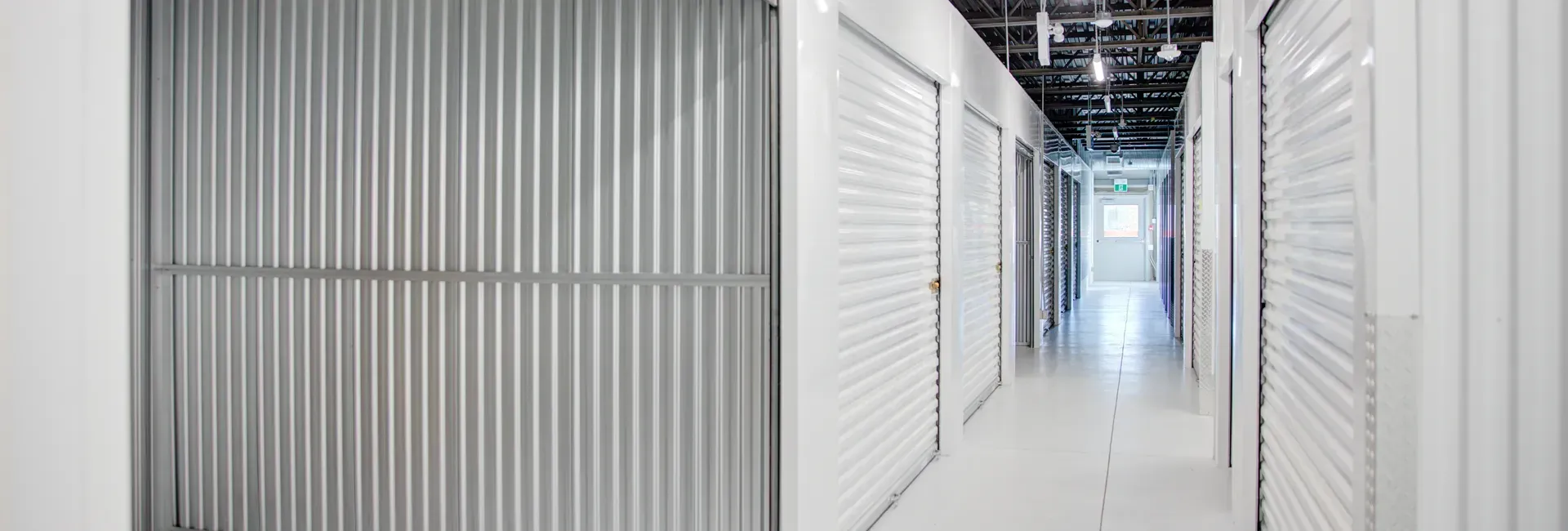
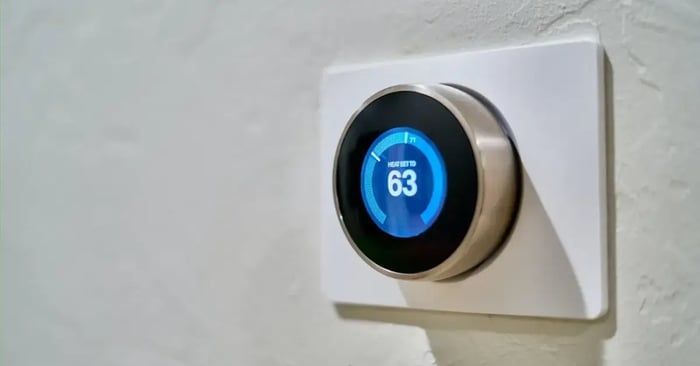
Temperature-controlled storage is designed for belongings that should not sit through extreme heat, freezing cold, or frequent changes in storage conditions. These units stay within a more consistent temperature range throughout the year, which helps reduce the risk of damage to items made from wood, leather, vinyl, paper, fabric, and other delicate materials. It can be especially useful for customers storing belongings through a full summer, winter, or long term move.
Not everything needs temperature-controlled storage, but some items are worth the extra care. Furniture, electronics, antiques, business records, documents, clothing, and sentimental items can all be affected by unstable storage conditions over time. A standard unit may be perfectly fine for durable items, but temperature-controlled storage is often the better choice when replacement would be expensive, difficult, or impossible. All-Purpose Storage offers temperature-controlled options at select facilities nationwide, giving customers a practical way to protect sensitive items while keeping them accessible.
When Temperature-Controlled Storage Is the Better Choice
Storing Through Harsh Seasonal Weather
Temperature-controlled storage is especially helpful when your belongings will sit through extreme seasonal changes. Cold winters, hot summers, and humid weather can all create problems for sensitive items that are left in standard storage for long periods. Wood can expand or contract, paper can weaken, and fabrics can become vulnerable to moisture-related issues. Customers in colder or humid regions may benefit from a more stable unit environment, especially when storing furniture, documents, electronics, or personal keepsakes.
Protecting Items With Financial or Sentimental Value
Some belongings need extra protection because they are expensive to replace, while others matter because they cannot be replaced at all. Family photos, inherited furniture, collectibles, framed artwork, important documents, and antiques can all lose condition or value when exposed to changing temperatures and moisture. Temperature-controlled storage gives these items a steadier space during moves, remodels, downsizing projects, or long term storage periods.
Keeping Business Materials in Better Condition
Businesses often use temperature-controlled storage for records, electronics, office furniture, product samples, and inventory that should not sit in unstable conditions. Files and documents can be difficult to replace, and electronics or product materials may be affected by heat or moisture over time. A temperature-controlled unit can help protect business assets while keeping the main workspace clear.
Planning for Long Term Storage
The longer belongings stay in storage, the more important the storage environment becomes. A few days in a standard unit may not matter for many items, but several months of heat, cold, or humidity can create gradual wear. Temperature-controlled storage is often a smart option during long moves, deployment, extended travel, study abroad, or delayed housing timelines.
What Belongs in Temperature-Controlled Storage?
Wood Furniture, Antiques, and Upholstered Pieces
Wood and upholstered furniture can react poorly to temperature shifts and moisture. Tables, chairs, bed frames, dressers, cabinets, and antiques may warp, crack, loosen at the joints, or absorb unwanted odors when stored in unstable conditions. Upholstered items can also be vulnerable to moisture if they are stored for a long period. Temperature-controlled storage helps create a steadier place for these belongings when they need more protection than a standard space.
Documents, Photos, Books, and Paper Records
Paper is more delicate than many people realize. Documents, books, photographs, tax records, business files, and personal papers can curl, fade, weaken, or absorb moisture when stored in the wrong environment. Temperature-controlled storage is a better fit for paper items that need to remain readable and organized over time. This can be useful for families storing keepsakes and for businesses keeping archived records.
Electronics and Small Appliances
Electronics can be affected by heat, cold, and moisture, especially when stored for several months. Computers, televisions, monitors, speakers, gaming systems, office electronics, and small appliances may develop issues if exposed to unstable conditions over time. A temperature-controlled unit can help reduce exposure to conditions that may harm internal components, screens, wiring, or connections.
Clothing, Linens, and Delicate Fabrics
Clothing, bedding, curtains, and linens can pick up odors or become vulnerable to moisture when stored in standard spaces for long periods. Temperature-controlled storage can help keep these items in a cleaner, steadier environment while they are not being used. This is especially helpful for seasonal wardrobes, formal clothing, heirloom textiles, and fabric items that need to stay in good condition. Pack these belongings in clean, sealed containers whenever possible for better organization.
Musical Instruments, Collectibles, and Specialty Items
Musical instruments, collectibles, hobby materials, and specialty items often need more careful storage than basic household goods. Instruments may contain wood, glue, strings, electronics, or finishes that respond poorly to changing conditions. Collectibles can lose value if packaging, paper, fabric, or delicate surfaces become damaged. Temperature-controlled storage can help protect these items during long term storage, especially when they are not easily replaced.
Temperature-Controlled Storage Questions, Answered
What is the difference between temperature-controlled storage and regular storage?
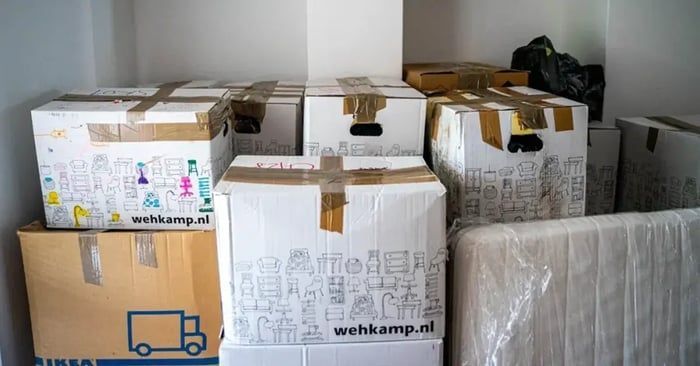
Temperature-controlled storage is designed to keep the unit within a more consistent temperature range throughout the year. Regular storage offers useful space and security, but the interior conditions may be more affected by outside weather. Regular units can work well for durable belongings like tools, outdoor equipment, plastic bins, and basic household overflow. Temperature-controlled units are a better fit for items that may be damaged by heat, cold, humidity, or repeated changes in conditions.
Is temperature-controlled storage worth it?
Temperature-controlled storage is often worth it when the items being stored are valuable, delicate, sensitive, or difficult to replace. The added protection can help reduce the risk of damage to furniture, documents, electronics, antiques, collectibles, and other belongings that need a steadier environment. It may also be worth considering for long term storage, especially if items will sit through both hot and cold seasons. For short term storage of durable items, a standard unit may be enough.
What should not go in temperature-controlled storage?
Temperature-controlled storage still has rules about what can and cannot be stored. Food, perishables, hazardous materials, flammable liquids, explosives, chemicals, and anything illegal should not be placed in any storage unit. Living things, plants, and items that attract pests should also be avoided. If you are unsure about a specific item, contact the facility before moving it into storage.
Find Temperature-Controlled Storage Near You
Temperature-controlled storage can help protect sensitive belongings from damage caused by extreme heat, cold, moisture, and changing conditions. From furniture and electronics to documents, antiques, clothing, and keepsakes, All-Purpose Storage offers options for customers who want added protection for important items. Visit the All-Purpose Storage locations page to find a facility near you and compare available temperature-controlled storage units.